

Introduction
Businesses are expected to respond quickly, personalise communication, and stay consistent across every customer touchpoint. Doing all of this manually is not only time-consuming but also expensive. That’s where Email Automation comes in.
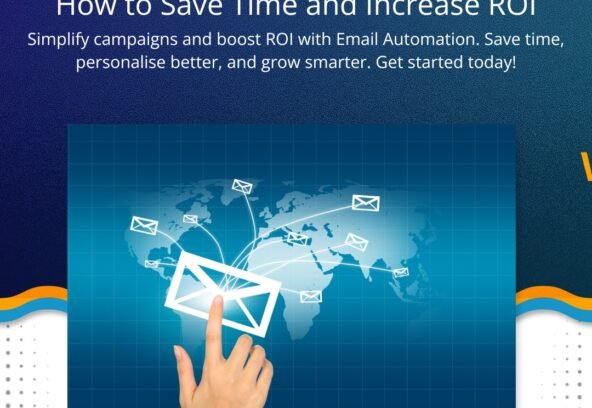
Email Automation allows businesses to send the right message to the right person at the right time without manual effort. From welcoming new subscribers to nurturing leads and re-engaging inactive customers, automation helps brands save time while improving return on investment (ROI). In this guide, we’ll break down how Email Automation works, why it matters, and how businesses can use it effectively to grow.
What Is Email Automation?
Email Automation is the process of sending emails automatically based on predefined rules, triggers, or user actions. Instead of sending one-off campaigns manually, businesses can build workflows that run in the background.
Examples include:
- Welcome emails after a signup
- Abandoned cart reminders
- Post-purchase follow-ups
- Birthday or anniversary emails
- Re-engagement campaigns
By using marketing automations, businesses ensure consistent communication without constant hands-on management.
Why Email Automation Matters in 2026
Customer expectations have changed. People now expect timely, relevant, and personalised communication. Generic bulk emails often get ignored or marked as spam.
Email Automation helps by:
- Delivering personalised content at scale
- Reducing manual workload
- Improving open and click-through rates
- Increasing conversions and customer loyalty
With inbox competition growing, automated email marketing is no longer optional it’s essential.
How Email Automation Saves Time
One of the biggest advantages of Automation is efficiency. Once workflows are set up, emails are sent automatically without ongoing effort.
Key Time-Saving Benefits
- Set-and-forget workflows for common customer journeys
- Automated responses instead of manual follow-ups
- Fewer repetitive tasks for marketing teams
- Better coordination across sales and marketing
By streamlining automation mailing, teams can focus more on strategy, creativity, and growth.
How Email Automation Increases ROI
Saving time is important, but increasing ROI is where Automation truly shines.
1. Higher Engagement Rates
Automated emails are triggered by user behaviour, making them more relevant. Relevant emails lead to better opens, clicks, and conversions.
2. Improved Lead Nurturing
Instead of pushing sales too early, automation allows brands to educate and nurture leads over time with valuable content.
3. Better Customer Retention
Regular, personalised communication builds trust and keeps your brand top of mind.
Common Types And Workflows
Welcome Series
A welcome sequence introduces new subscribers to your brand, products, or services. It sets expectations and builds trust early.
Lead Nurturing Campaigns
These workflows guide prospects through the buying journey using educational and value-driven content.
Abandoned Cart Emails
One of the highest ROI automation types, these emails remind users to complete their purchase.
Post-Purchase Emails
Follow-ups after a purchase can include thank-you messages, product tips, cross-sells, or review requests.
Re-Engagement Campaigns
Designed to win back inactive subscribers, these campaigns help maintain a healthy email list.
Choosing the Right Email Marketing Platform
To run successful Email Automation, you need the right email marketing platform. The ideal platform should be easy to use, scalable, and feature-rich.
Key Features to Look For
- Drag-and-drop automation builders
- Advanced segmentation
- Personalisation options
- Analytics and reporting
- Integration with CRM and ecommerce tools
Popular email marketing software options support businesses of all sizes and industries.
Email Automation for Small vs Large Businesses
Small Businesses
For small teams, Email Automation reduces workload and ensures consistent communication without hiring more staff.
Growing and Enterprise Businesses
Larger organisations benefit from advanced segmentation, complex workflows, and deeper data insights.
Regardless of size, automation creates efficiency and measurable impact.
Best Practices for Effective Email Automation
Keep It Human
Automation doesn’t mean robotics. Write emails that sound natural, friendly, and personal.
Segment Your Audience
Send targeted messages based on behaviour, interests, and lifecycle stage.
Don’t Over-Automate
Too many emails can overwhelm subscribers. Focus on value, not volume.
Test and Optimise
Regularly review performance and adjust subject lines, timing, and content.
Common Mistakes to Avoid
- Sending generic messages to everyone
- Ignoring mobile optimisation
- Poor timing of automated emails
- Not updating workflows regularly
- Forgetting to track performance
Avoiding these mistakes ensures your automation delivers consistent results.
Measuring the Success
Key metrics to track include:
- Open rates
- Click-through rates
- Conversion rates
- Unsubscribe rates
- Revenue per email
These insights help refine workflows and improve ROI over time.
The Role of Strategy in Email Automation
Technology alone isn’t enough. A clear strategy is essential to align automation with business goals.
This includes:
- Defining customer journeys
- Setting automation triggers
- Creating relevant content
- Aligning with sales and marketing objectives
Many businesses partner with experts to ensure their automation strategy delivers long-term value.
Future of Marketing
As AI and data analytics evolve, Email Automation will become even more intelligent. Future trends include:
- Predictive send times
- AI-generated content suggestions
- Deeper personalisation
- Omnichannel automation
Businesses that adopt automation early gain a strong competitive advantage.
Conclusion
Email Automation is one of the most powerful tools available to modern businesses. It saves time, improves efficiency, and delivers measurable ROI through personalised and timely communication.
When implemented correctly, automation strengthens relationships, boosts conversions, and supports sustainable growth. Whether you’re just starting or scaling fast, partnering with an experienced marketing agency in Melbourne can help you design smarter workflows and get the most out of your email marketing efforts.