

Affiliate Marketing has become one of the most practical and performance‑driven ways for businesses to grow online. Instead of spending large budgets upfront on advertising, brands partner with individuals or companies who promote their products and earn a commission only when results are delivered.
In this guide, we’ll break down affiliate marketing in a simple, human way—how it works, why it’s effective, and how businesses can turn partnerships into real profit.
What Is Affiliate Marketing?
Affiliate Marketing is a performance‑based marketing model where a business rewards affiliates for driving traffic, leads, or sales through their promotional efforts. Affiliates can be bloggers, content creators, influencers, comparison websites, or niche publishers.
Instead of hiring a full sales team or paying for ads that may or may not convert, businesses pay commissions only when a desired action happens—such as a sale, sign‑up, or enquiry.
How Affiliate Marketing Works
The marketing process is surprisingly simple:
- A business creates an affiliate program and sets commission rules.
- Affiliates join the program and receive unique tracking links.
- Affiliates promote products or services through blogs, videos, emails, or social media.
- Customers click the affiliate link and complete an action.
- The affiliate earns a commission for successful conversions.
This system ensures accountability and measurable ROI for businesses.
Why Affiliate Marketing Is So Effective
Affiliate Marketing works because it aligns incentives. Affiliates are motivated to promote genuinely useful products, while businesses only pay for actual results.
Key benefits include:
- Lower upfront marketing costs
- Scalable growth opportunities
- Access to niche audiences
- Strong brand credibility through trusted partners
- Easy performance tracking
When executed correctly, marketing becomes a long‑term revenue channel rather than a short‑term tactic.
The Role of Affiliates in Digital Growth
Affiliates act as independent promoters who already have the trust of their audience. This makes their recommendations far more effective than traditional ads.
In modern digital marketing, affiliates often use:
- Blog reviews and tutorials
- Product comparison pages
- YouTube demonstrations
- Email newsletters
- Social media recommendations
Because of this, affiliate marketing blends naturally with content‑driven digital marketing strategies.
Affiliate Marketing vs Traditional Advertising
Traditional advertising relies heavily on upfront spending with uncertain outcomes.
| Traditional Advertising | Affiliate Marketing |
| Pay before results | Pay only for results |
| Limited targeting | Niche‑focused reach |
| Short‑term campaigns | Long‑term partnerships |
| Lower trust factor | High trust through affiliates |
This difference explains why many brands are shifting budget away from traditional ads and toward affiliate partnerships.
Understanding Different Affiliate Models
Not all affiliate programs work the same way. Businesses can choose models based on goals:
- Pay‑per‑sale (PPS): Commission earned after a sale
- Pay‑per‑lead (PPL): Commission for sign‑ups or enquiries
- Pay‑per‑click (PPC): Commission based on traffic volume
Choosing the right model helps ensure sustainable growth and partner satisfaction.
Where Affleting Marketing Fits In
While often misspelled or misunderstood, affleting marketing refers to the same core concept—leveraging partnerships to drive performance‑based growth.
For many small businesses, this approach becomes an entry point into online promotion without heavy advertising spend. When combined with content creation and analytics, affleting marketing can deliver consistent and trackable results.
Affiliate Marketing in the Middle of the Funnel
Affiliate Marketing isn’t just about awareness or final sales—it plays a strong role in the middle of the customer journey.
At this stage, customers are:
- Comparing options
- Reading reviews
- Looking for proof and reassurance
Affiliates provide detailed insights, comparisons, and real‑world use cases, helping prospects move confidently toward conversion. This is why Marketing performs so well across competitive industries.
How Affiliate Marketing Supports Digital Marketing Strategies
Affiliate Marketing works best when integrated with broader digital marketing efforts. It complements SEO, content marketing, paid ads, and email campaigns.
In a complete digital marketing ecosystem:
- SEO drives organic traffic
- Content educates users
- Affiliates convert interested prospects
- Analytics measure performance
Together, these elements create a scalable and profitable online presence.
Working With a Digital Marketing Agency
Managing affiliate programs takes time, tools, and expertise. This is where a professional digital marketing agency adds value.
An agency can help with:
- Affiliate recruitment and onboarding
- Tracking and attribution setup
- Fraud prevention
- Performance optimisation
- Compliance and reporting
With expert guidance, businesses can avoid common mistakes and build strong affiliate networks.
The Role of Online Advertisers
Online advertisers often use marketing to expand reach without increasing risk. Instead of running ads alone, they collaborate with affiliates who already understand their niche audiences.
This approach allows online advertisers to:
- Test new markets
- Reduce ad spend waste
- Improve conversion quality
- Strengthen brand authority
Affiliate partnerships often outperform standalone ad campaigns when trust matters.
Affiliate Marketing and Internet and Marketing Trends
The relationship between the internet and marketing has evolved rapidly. Consumers now rely on peer recommendations more than brand messaging.
Marketing thrives in this environment because it mirrors how people naturally discover products—through trusted voices, helpful content, and real experiences.
As online behaviour continues to shift, affiliate strategies will remain a key growth driver.
Common Affiliate Marketing Mistakes to Avoid
Despite its benefits, Marketing can fail if handled poorly. Common mistakes include:
- Choosing affiliates solely based on follower count
- Ignoring compliance and disclosure rules
- Offering unclear commission structures
- Failing to support affiliates with content and data
- Not tracking performance accurately
Avoiding these mistakes leads to stronger, longer‑lasting partnerships.
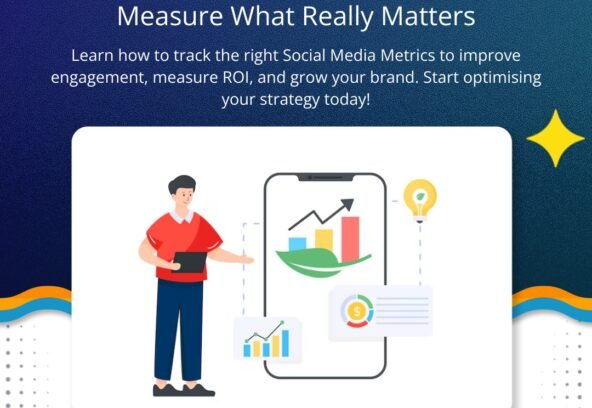
Measuring Affiliate Marketing Success
Success in Marketing goes beyond sales numbers. Businesses should also track:
- Conversion rates
- Customer lifetime value
- Traffic quality
- Affiliate engagement
- ROI by partner
These insights help optimise programs and reward high‑performing affiliates fairly.
The Future of Affiliate Marketing
Affiliate Marketing continues to evolve alongside technology. AI‑driven tracking, influencer partnerships, and advanced attribution models are shaping the future.
Brands that invest early in strong affiliate relationships will gain a competitive advantage as digital ecosystems become more crowded.
Turning Partnerships Into Profit
Affiliate Marketing is no longer optional—it’s a proven growth channel. When aligned with strong content, transparent partnerships, and clear performance goals, it delivers consistent and scalable results.
In the long run, businesses that treat affiliates as true partners—not just traffic sources—see higher trust, better conversions, and sustainable revenue.
Final Thoughts
Affiliate Marketing offers a smart, measurable, and human‑centred way to grow online. From awareness to conversion, it supports every stage of the buyer journey.
When combined with expert strategy and execution from a digital marketing agency in Melbourne, affiliate marketing becomes more than a tactic—it becomes a profit‑driven partnership model that fuels long‑term success.